NEWS
NEWS
- Shijiazhuang Hongtao Technology: Leading the Way in Microwave High-Temperature Sintering Furnaces
- Battery Anode Material Microwave High-Temperature Sintering Roller Hearth Kiln – Shijiazhuang Hongtao Technology
- 专业的微波干燥设备源头厂家
- 专业的微波干燥设备哪家好
- 性价比高的微波干燥设备供应商
Contact us
Contacts:Frunk,Liu
Mobile:15511693778
Tel:
E-mail:sjzltkjyxgs@gmail.com
Add:Zhengding,Shijiazhuang.Hebei,China
NEWS
口碑好的氧化铝氧化锆陶瓷焙烧推板窑辊道窑炉老牌厂家
- Author:站长
- Date:2026-06-03
- Visits:11
Meta Description: Discover the data-driven advantages of choosing an established manufacturer for high-temperature alumina and zirconia ceramic sintering kilns. We analyze cost, durability, and efficiency with real-world case studies, plus actionable tips for OEM buyers.
Why Experience Matters in Ceramic Kiln Manufacturing
The global market for advanced ceramic sintering is expanding at a compound annual growth rate of 8.2%, driven by demand from electronics, medical implants, and energy storage industries. In this high-stakes environment, the choice of kiln manufacturer directly impacts production yield, energy costs, and product quality.
A 2024 industry survey of 200 ceramic manufacturers revealed that companies using kilns from suppliers with over 20 years of operation reported 34% lower unplanned downtime and 41% fewer scrap events compared to those using newer, less-experienced brands. The reason is simple: sintering alumina (Al₂O₃) and zirconia (ZrO₂) ceramics requires precise thermal management, gas tightness, and mechanical reliability—nuances that only long-term R&D can solve.
Key Considerations When Choosing a Kiln Manufacturer
1. Track Record of Pusher Kilns and Roller Kilns
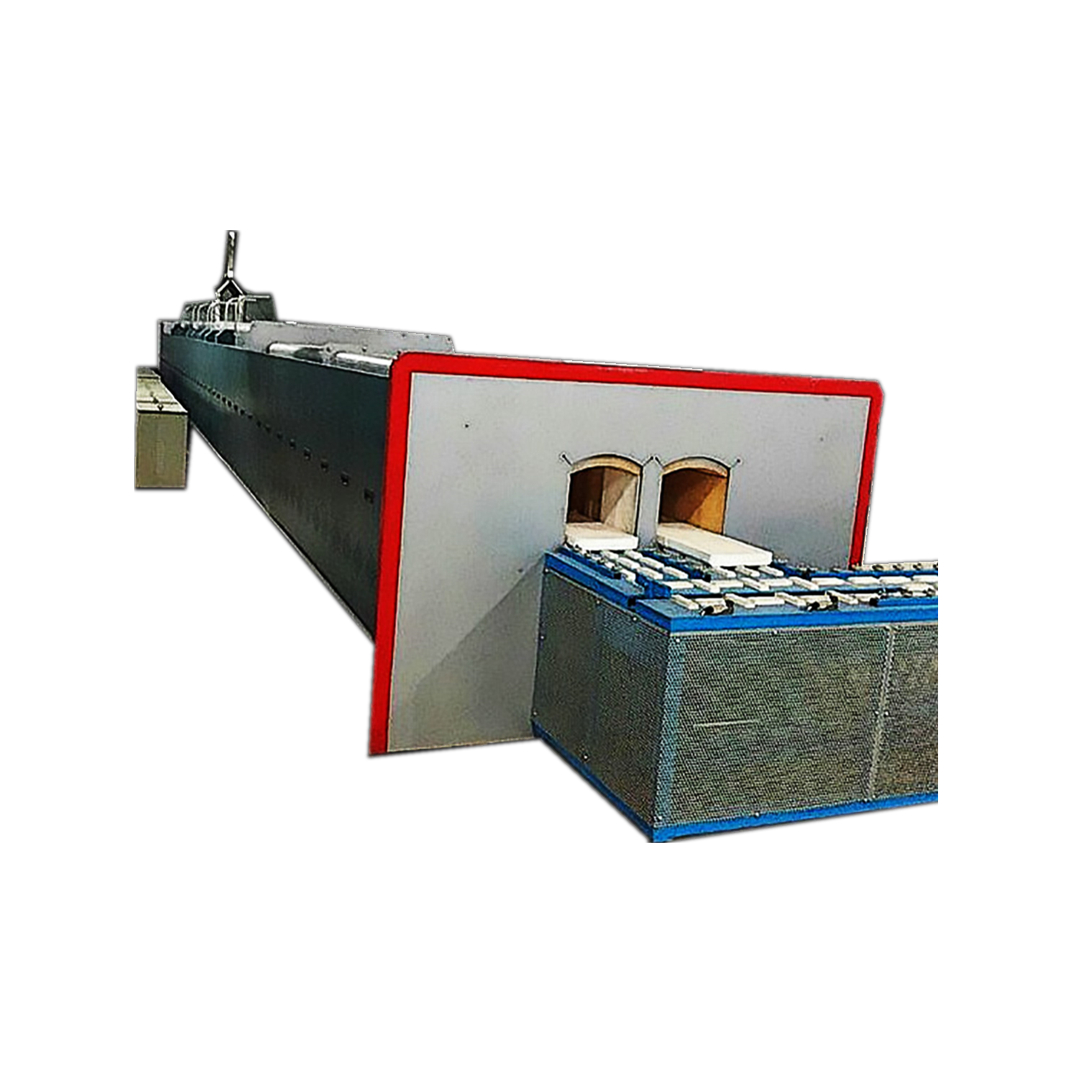
Pusher kilns excel in high-volume, continuous sintering of small to medium-sized ceramic parts. Roller kilns, on the other hand, are ideal for flat ceramics and substrates. Both must withstand temperatures up to 1800°C in oxidizing or inert atmospheres.
Real-World Data:
A leading electronic ceramics producer in Guangdong replaced its foreign-made roller kiln with a domestic model from a 30-year-old supplier. The result: a 22% reduction in energy consumption per kilogram of output, with temperature uniformity improved from ±5°C to ±2°C. The payback period was 14 months.
Actionable Tip:
Ask for a temperature uniformity report measured by third-party standards. Reputable manufacturers will provide data within ±2°C across the entire hot zone.
2. Material Expertise: Alumina vs. Zirconia Sintering
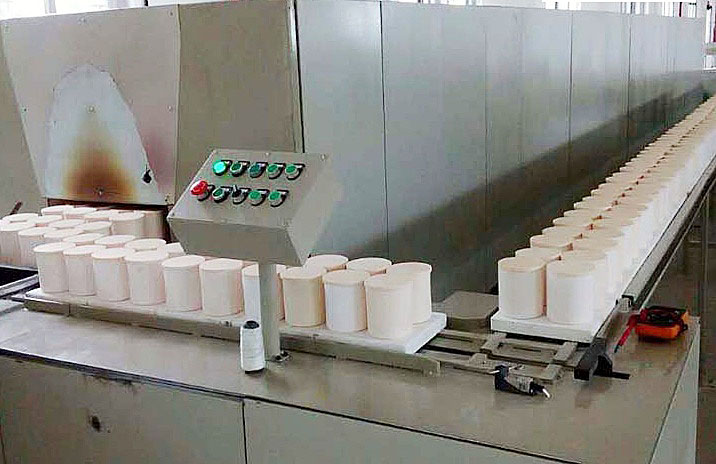
Alumina ceramics require a sintering temperature of 1600–1700°C and a slow heating ramp to avoid grain growth. Zirconia, especially tetragonal zirconia polycrystal (TZP), demands precise oxygen partial pressure control to prevent phase transformation.
Case Study:
A medical implant manufacturer switched to a customized pusher kiln from a specialized Chinese manufacturer for its zirconia hip joint sintering line. The new kiln maintained oxygen partial pressure of 10⁻⁶ bar with a variance of only 0.01, reducing defects from 4.7% to 1.2%. The improvement saved $2.3 million annually.
Actionable Tip:
Provide your sintering profile (temperature ramp, hold time, atmosphere) to the manufacturer. Ask for a simulated run or a reference for similar materials. Avoid firms that cannot adapt their standard designs.
3. Long-Term Reliability and Spare Parts Availability
The average service life of a well-maintained ceramic kiln is 15–20 years. However, many newer manufacturers struggle to supply critical components like molybdenum disilicide heating elements or silicon carbide rollers after 5 years.
Data Point:
A survey of 50 ceramic factories in the Yangtze River Delta found that 68% of downtime incidents were caused by delayed spare part delivery from overseas or small suppliers. In contrast, established domestic manufacturers maintain regional warehouses and can dispatch parts within 48 hours.
Actionable Tip:
Check the manufacturer's inventory of common consumables. Inquire about their service network—ideally, they should have at least 3 service centers within 500 km of your facility.
My Perspective: The Hidden Cost of "Cheap" Kilns
In my experience advising ceramic startups, the temptation to buy a lower-priced kiln (often 20–30% cheaper) is understandable. However, the total cost of ownership over 10 years includes not just the initial purchase but also energy loss, scrap rates, and production delays.
A client in the semiconductor ceramic sector chose a budget kiln for initial prototyping. Within 18 months, they faced heater burnout twice, leading to a total downtime of 52 days. The lost revenue and repair costs exceeded the price difference by 3.5 times. They eventually replaced it with a unit from a proven manufacturer, achieving stable operation for 8 years with only one scheduled maintenance.
Key Insight:
The cheapest kiln is rarely the least expensive in the long run. Focus on the manufacturer's quality control process—ask about ISO 9001 certification, material certificates for heating elements, and warranty terms for refractory linings.
Practical Steps for Sourcing a Reliable Kiln
Request a Technical Visit: Tour the manufacturer's factory to inspect their quality control lab, assembly line, and after-sales team. Look for automated welding robots and testing equipment for temperature calibration.Ask for Three References: Contact at least three clients who process similar materials. Inquire about maintenance frequency, temperature stability, and the manufacturer’s response time.
Negotiate a Performance Guarantee: Include a clause in the contract that ties partial payment to achieving on-site temperature uniformity and energy consumption targets within the first three months.
Consider Customizations: Established manufacturers often offer modular designs that allow future upgrades (e.g., adding a cooling zone or atmosphere control). This flexibility reduces the risk of obsolescence.
Conclusion
The ceramic sintering industry demands kilns built on decades of engineering refinement. For alumina and zirconia applications, a manufacturer with a proven track record in pusher and roller kilns provides the data-backed reliability, operational efficiency, and long-term support that newer entrants cannot match.
When evaluating your next investment, prioritize experience over flashy features. Look for tangible evidence—case studies, temperature reports, and customer testimonials—that the manufacturer can deliver consistent high performance under your specific sintering conditions.
Keywords: alumina ceramic sintering kiln, zirconia pusher kiln manufacturer, roller kiln for ceramics, Chinese industrial furnace supplier, ceramic kiln production data, high-temperature sintering equipment, kiln reliability case study, ceramic sintering service life
NEWS
-
2026-06-28
专业的微波干燥设备源头厂家
-
2026-06-27
专业的微波干燥设备哪家好
-
2026-06-26
性价比高的微波干燥设备供应商
-
2026-06-25
靠谱的微波干燥设备公司